The Ultimate Guide to (sã³fbol): The Rising Star in Modern Sports
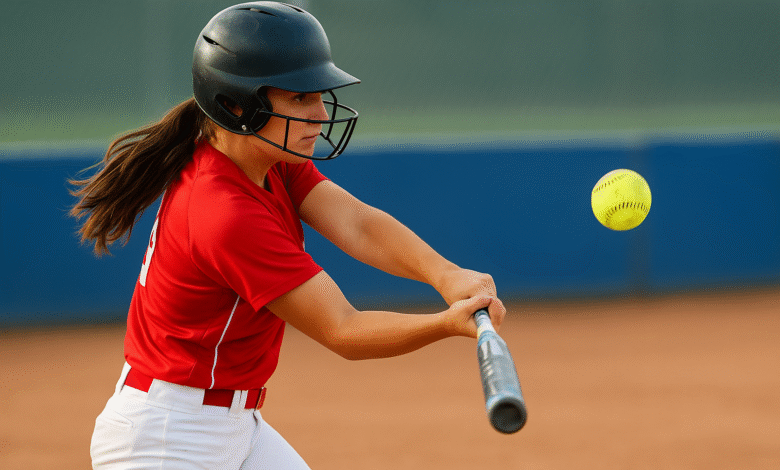
When we talk about (sã³fbol), we are looking at a unique blend of tradition and the digital age. At its core, (sã³fbol) is a fast-paced diamond sport played with a larger ball and underhand pitching. However, the specific term (sã³fbol) has taken on a life of its own in 2025. It represents a “new school” approach to the game, focusing on high-energy play, social media connectivity, and a more inclusive community than older, more rigid sports formats. The reason you see it spelled as (sã³fbol) rather than the standard “softball” often comes down to how modern subcultures identify themselves online. In the digital world, using unique characters like the “ã” or the “³” helps a community stand out in search results and social feeds. It acts as a digital “handshake” for people who are part of this specific, high-intensity version of the game. It isn’t just a typo; it is a brand for a new generation of players.
Why (sã³fbol) is unique in today’s world:
- Inclusive Nature: It is designed to be played by people of all ages and skill levels.
- Faster Tempo: Unlike some traditional games that can feel slow, (sã³fbol) focuses on quick innings and constant action.
- Cultural Fusion: It mixes the technical skills of classic athletics with the vibrant, trendy energy of modern lifestyle brands.
To help you understand who is driving this movement, look at the table below which shows the growth of interest in (sã³fbol) variations over the last year.
The Growth of (sã³fbol) Interest (2024-2025)
| Category | Traditional Format | (sã³fbol) Modern Format |
| Average Game Time | 2 Hours + | 60 – 90 Minutes |
| Social Media Mentions | Moderate | Very High |
| Youth Participation | Steady | Growing Rapidly |
| Focus Area | Formal Competition | Community & Lifestyle |
“The beauty of (sã³fbol) is that it takes a game everyone knows and gives it a fresh, energetic heartbeat that matches the pace of the modern world.” — Anonymous Sports Analyst
In short, (sã³fbol) is more than just hitting a ball with a bat. It is a cultural shift. It takes the best parts of diamond sports—the teamwork, the strategy, and the physical fitness—and removes the stuffy, old-fashioned barriers. This makes it easier for new people to jump in and start playing right away without feeling like they need years of training.
The Origins and History of (sã³fbol)
The story of (sã³fbol) actually begins in a very unexpected way. Long before it became a digital trend, the roots of the game were planted in Chicago on Thanksgiving Day in 1887. A group of men were waiting for the results of a football game and, out of boredom, one man threw a boxing glove at another. The other man hit it with a broomstick, and suddenly, a new game was born. Back then, it was called “indoor baseball,” but it quickly moved outside and gained fans across the country.
Over the years, the game went through many names, such as “kitten ball,” “mush ball,” and even “pumpkin ball” because of the large size of the ball. It wasn’t until 1926 that the name “softball” was officially used. The transition to the modern (sã³fbol) we see today happened as technology changed how we share sports. Players wanted a way to make the game feel fresh and exciting for a new generation, leading to the stylized branding and faster rules that define the (sã³fbol) movement in 2025.
Key Historical Facts about the Sport:
- First Game: Played at the Farragut Boat Club in 1887.
- First Rulebook: Created by George Hancock in 1889.
- Global Expansion: American soldiers played it during World War II, spreading the game to Europe and Asia.
- Olympic Debut: It officially became an Olympic sport in 1996, highlighting its status as a top-tier athletic discipline.
The history of (sã³fbol) shows that it has always been a game of adaptation. It started as a way to have fun indoors and grew into a global sport. Today, the modern (sã³fbol) community continues this tradition of change by using social media and new technology to keep the game alive and relevant for everyone.
How to Play (sã³fbol): Rules and Regulations
Playing (sã³fbol) is easy to learn but takes practice to master. The game is played on a diamond-shaped field, similar to baseball but smaller. Each team tries to score runs by hitting the ball and running around four bases. The most important part of (sã³fbol) is the pitching. Unlike baseball where the ball is thrown overhand, in (sã³fbol), the ball must be delivered underhand. This makes the game unique and requires a different set of skills for both the pitcher and the hitter.
The rules are designed to keep the game moving quickly. Most matches last for seven innings, which is shorter than a standard baseball game. In the modern (sã³fbol) format, there is often a “mercy rule.” This means if one team is winning by a lot of runs early on, the game ends early. This keeps things fair and prevents games from becoming too long or discouraging for the teams involved.
Basic Rules of (sã³fbol):
- Pitching: The ball must be thrown underhand, often using a “windmill” motion for more speed.
- The Field: Bases are usually 60 feet apart, making the diamond smaller and the plays faster.
- Batting: Players must stay within the batter’s box and try to hit the ball into fair territory.
- Defense: There are typically 9 or 10 players on the field, including a pitcher, catcher, and various infielders and outfielders.
Whether you are playing “fastpitch” or “slowpitch” (sã³fbol), the goal is the same: work as a team and have fun. The rules are simple enough for beginners to understand, but the speed of the game provides a great challenge for experienced athletes.
4. (sã³fbol) vs. Traditional Softball: What are the Key Differences?
While they share the same roots, (sã³fbol) and traditional softball have some clear differences that matter to players. The biggest difference is often the pace and the culture. Traditional softball is often seen as a more formal, school-based or Olympic sport. On the other hand, (sã³fbol) is often associated with modern leagues that prioritize community, lifestyle, and fast-action play.
Technically, the equipment can vary slightly. In many (sã³fbol) circles, players use high-tech composite bats designed for maximum “pop” and speed. The ball used in (sã³fbol) might also be slightly different in density to allow for faster play. The focus in (sã³fbol) is often on creating “viral” moments—big hits and amazing catches that look great on video—which has led to a style of play that is very aggressive and exciting to watch.
Comparison Table: (sã³fbol) vs. Traditional Softball
| Feature | Traditional Softball | (sã³fbol) Modern Style |
| Primary Goal | Formal Competition | Entertainment & Community |
| Pitching Style | Controlled Underhand | High-Speed Windmill |
| Game Length | 7 Innings (Standard) | Timed Rounds or 7 Innings |
| Technology Use | Low to Moderate | High (Data & Video Tracking) |
One major difference is the way the community interacts. Traditional softball relies on local leagues and school boards. (sã³fbol) fans connect through apps and social media, often joining “pop-up” tournaments or global challenges. This makes (sã³fbol) feel more like a modern hobby or a lifestyle brand than just a weekend sport.
Why is (sã³fbol) Trending in 2025?
You might be wondering why (sã³fbol) is everywhere right now. The answer lies in the power of social media and the desire for more personalized sports experiences. In 2025, fans don’t just want to watch a game; they want to feel like they are part of it. (sã³fbol) athletes often share their training routines, their favorite gear, and their game highlights on platforms like TikTok and Instagram. This creates a strong connection between the players and the fans.
Another reason for the trend is the “human” element. People are moving away from over-produced, professional sports and looking for something more authentic. (sã³fbol) feels real because it is played by people in your own community. It is a sport where anyone can become a “star” by posting a great video of a home run or a clever defensive play. This has made (sã³fbol) particularly popular with younger generations who value creativity and connection.
Trending Factors for (sã³fbol):
- Viral Content: Short, exciting clips of the game are perfect for modern social media feeds.
- Inclusive Branding: The sport is marketed as something for everyone, regardless of background.
- Tech Integration: Players use wearable tech to track their stats, making the game feel like a real-life video game.
The growth of (sã³fbol) shows that when you combine a classic game with modern technology and a welcoming community, people will naturally gravitate toward it. It is a perfect example of how old traditions can be made new and exciting again
Essential Gear and Equipment for (sã³fbol) Players
To play (sã³fbol) at your best, you need the right tools. While you don’t need a lot of expensive equipment to start, having a few key items will make the game safer and more fun. The most important piece of gear is your glove. A good (sã³fbol) glove should fit comfortably on your hand and be “broken in” so it is easy to close when catching the ball.
Next, you will need a bat. In the world of (sã³fbol), bats are made from materials like aluminum or composite fibers. These materials help the ball travel further when hit. It is also important to wear the right shoes. Cleats are essential because they provide traction on the dirt and grass, helping you run faster and avoid slipping. Lastly, don’t forget safety gear like helmets and face masks, which are becoming standard in almost every league.
Checklist for (sã³fbol) Gear:
- Glove: Choose a size that fits your position (outfielders usually want larger gloves).
- Bat: Look for one that is light enough for you to swing quickly but strong enough to drive the ball.
- Cleats: Ensure they have good grip for both dirt and turf.
- Safety Gear: A helmet is a must-have for batting, and many infielders now wear face guards.
- Apparel: Comfortable, moisture-wicking clothes will help you stay cool during long games.
By investing in quality (sã³fbol) gear, you aren’t just improving your game; you are also protecting yourself from injury. Most players start with the basics and slowly add more specialized equipment as they get more serious about the sport.
Training Tips to Master (sã³fbol) Skills
If you want to become a top (sã³fbol) player, you have to put in the work. Training for this sport involves a mix of strength, speed, and hand-eye coordination. One of the best ways to improve is through “repetition.” This means doing the same movement—like swinging a bat or throwing a ball—over and over again until it becomes second nature.
For hitting, focus on your “swing path.” You want to keep your bat level as it moves through the hitting zone to make the most contact with the ball. For fielding, practice “soft hands.” This means catching the ball gently and bringing it toward your body to prevent it from bouncing out of your glove. Many (sã³fbol) players also use agility ladders and cones to improve their footwork, which is vital for reaching balls hit into the gap.
Simple Drills for (sã³fbol) Improvement:
- Tee Work: Use a batting tee to practice your swing without the pressure of a live pitcher.
- Wall Ball: Throw a ball against a wall and practice catching the rebounds to improve your reflexes.
- Target Practice: Set up a target and practice your pitching or throwing accuracy from different distances.
- Sprint Intervals: Practice short bursts of running to mimic the speed needed to run the bases.
Remember, the best (sã³fbol) players are the ones who have fun while they train. Don’t be afraid to try new things and ask your teammates for advice. The more you play, the more natural the game will feel.
The Future of (sã³fbol): Professional Leagues and Beyond
The future of (sã³fbol) looks brighter than ever. As we move further into the decade, we are seeing more professional leagues starting up all over the world. These leagues are drawing huge crowds and getting major sponsorship deals, showing that there is a massive appetite for high-level (sã³fbol) competition. There is even talk of the sport becoming a permanent fixture in global events like the Olympics.
But the real future of (sã³fbol) isn’t just in the big stadiums; it’s in the local parks and the digital spaces where fans gather. The community is focused on staying inclusive and making sure that the sport remains accessible to everyone. With new technologies like virtual reality training and advanced data analytics, the way we play and watch (sã³fbol) will continue to evolve, making it an even more immersive experience for everyone involved.
What to Expect for the Future of (sã³fbol):
- Professional Growth: More teams and bigger prizes for top-tier players.
- Tech Evolution: Use of AI to help coaches and players improve their strategies.
- Global Community: A more connected network of players sharing their love for the game online.
Conclusion
(sã³fbol) is much more than a trend—it is a modern evolution of a classic sport that is here to stay. Whether you are playing for fun or aiming for the pros, there has never been a better time to join the (sã³fbol) movement.
Read More: Trevor James Copycatcosplay Feet