
Protecting Your Aircraft’s Image with Professional Detailing
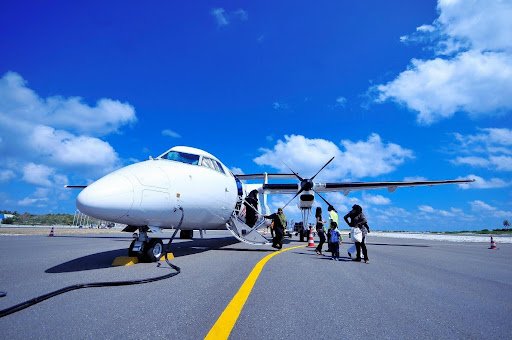
An aircraft’s appearance speaks volumes long before the engines start. Whether used for private ownership, corporate travel, or charter service, an aircraft projects an image of professionalism, reliability, and care. Professional detailing plays a critical role in preserving that image by maintaining both exterior and interior surfaces to the highest standard. More than cosmetic upkeep, it is a strategic practice that supports safety, value retention, and brand perception throughout an aircraft’s operational life.
Why Appearance Matters in Aviation
In aviation, appearance is closely associated with operational standards. A clean, well-presented aircraft signals discipline, precision, and pride of ownership. Passengers, clients, inspectors, and potential buyers often form immediate impressions based on visual condition, making detailing an important extension of operational professionalism.
Externally, a polished fuselage, clean windows, and well-maintained paint reflect consistent care and attention. Internally, a spotless cockpit and refreshed cabin contribute to comfort while reinforcing confidence in maintenance practices. Professional detailing ensures that the visual image of the aircraft aligns with its mechanical reliability.
Preventing Surface Degradation and Premature Wear
Aircraft exteriors are exposed to aggressive environmental elements, including ultraviolet radiation, salt air, exhaust residue, and atmospheric pollutants. Over time, these factors can cause oxidation, paint fading, staining, and corrosion if not managed properly. Professional detailing removes harmful contaminants and applies protective coatings that shield surfaces from ongoing exposure.
Polishing restores smoothness to painted surfaces, while high-grade waxes and sealants slow future deterioration. These treatments preserve not only aesthetics but also structural integrity, reducing the likelihood of costly repainting or corrosion repairs. Consistent detailing is a proactive defense against visible and invisible wear.
Windscreen Clarity and Pilot Visibility
Few components influence both appearance and safety as directly as the aircraft windscreen. A clear, distortion-free windscreen enhances the overall look of the aircraft while supporting pilot visibility and situational awareness. Improper cleaning methods or abrasive products can scratch or weaken windscreen materials, leading to haze or glare.
Professional detailers use aviation-approved techniques and products designed specifically for acrylic and glass aviation surfaces. Selecting an quality aircraft windscreen cleaner ensures contaminants are removed without damaging protective coatings or compromising structural strength. Maintaining windscreen clarity protects both the aircraft’s image and cockpit effectiveness.
Interior Presentation and Passenger Experience
An aircraft’s interior is where comfort and image intersect most directly. Clean upholstery, conditioned leather, spotless surfaces, and odor-free cabins all contribute to a positive passenger experience. Detailing addresses high-touch areas, carpets, seating, and ventilation components, preserving materials and improving cabin air quality.
For corporate and charter operations, interior appearance reflects brand quality and service standards. Passengers often equate cabin cleanliness with trust and professionalism, making interior detailing a key contributor to customer satisfaction and repeat business.
Supporting Long-Term Value and Market Appeal
Aircraft are valuable assets, and visual condition plays a significant role in depreciation and resale potential. Buyers and lessees often view a well-detailed aircraft as lower risk, assuming consistent cosmetic care reflects disciplined maintenance practices.
Professional detailing supports accurate inspections by removing buildup that could hide structural or surface issues. Clean aircraft photograph better, inspect more smoothly, and present fewer objections during pre-purchase evaluations. Over time, consistent detailing protects market value and strengthens the aircraft’s position in competitive sales environments.
Reflecting Operational Excellence and Pride of Ownership
Beyond financial considerations, professional detailing reflects the operator’s commitment to excellence. It demonstrates respect for the aircraft, the crew, and the passengers who rely on it. Maintaining a strong visual image reinforces operational culture, setting standards for care, safety, and attention to detail.
Detailing also supports internal accountability. When aircraft are kept clean and well-presented, crews and maintenance teams more easily identify emerging issues and take corrective action promptly. Cleanliness fosters awareness, responsibility, and pride throughout aviation operations.
Conclusion
Protecting your aircraft’s image through professional detailing is about far more than aesthetics. It safeguards surfaces from damage, enhances safety through visibility and inspection clarity, supports passenger confidence, and preserves long-term asset value. In aviation, image and reliability are deeply connected. By investing in consistent, professional detailing, aircraft owners and operators ensure that their aircraft reflects the same precision, care, and excellence that define safe and successful flight operations.