
Understanding Loguytren Problems: A Complete Guide to Dupuytren’s Contracture
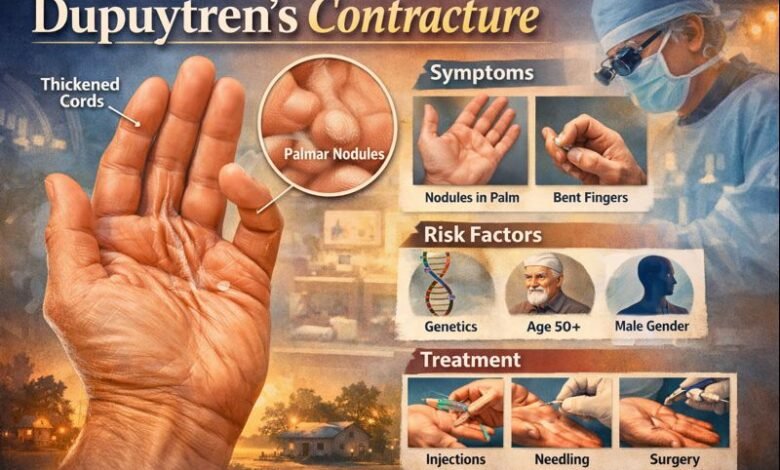
Loguytren problems, more commonly known as Dupuytren’s contracture, is a condition that affects the hand, specifically the tissue beneath the skin of your palm. Over time, the tissue can become thickened and form tight cords, which can cause your fingers to bend inward, making them difficult to straighten. While it isn’t necessarily painful, the condition can limit hand mobility, interfering with everyday activities like typing, driving, or even shaking hands. Dupuytren’s contracture mainly affects the fourth and fifth fingers, causing them to curl inward. This can make it very difficult to open your hand completely. The condition progresses slowly, and at first, you may notice small lumps or nodules in your palm, which might seem insignificant but are early indicators of the problem.
Over time, these nodules evolve into cords that pull your fingers, causing more pronounced bending. It’s important to note that Dupuytren’s contracture is not the same as arthritis or other joint conditions. The issue lies with the soft tissue beneath the skin, rather than the bones or joints themselves. While Dupuytren’s contracture isn’t life-threatening, it can severely affect the quality of life, especially if left untreated. If your fingers are unable to straighten, simple tasks such as picking up objects, holding a pen, or even wearing gloves can become challenging. This condition is quite common, particularly among older adults. It affects about 1 in 12 people over the age of 60, with men being more likely to develop it than women. Although Dupuytren’s contracture often runs in families, it is not considered a genetic disease. In fact, 40-50% of people with the condition have a family member who also has it.
Causes and Risk Factors Behind Loguytren Problems
The exact cause of Dupuytren’s contracture (Loguytren problems) is still unclear. However, researchers believe that it’s caused by an overproduction of collagen in the palmar fascia (the tissue beneath the skin in the palm). This excessive collagen leads to thickened tissue that forms cords, which pull the fingers inward. But despite this, doctors still don’t fully understand why collagen builds up in some people and not in others.
Who Is Most at Risk?
While the exact cause remains elusive, several risk factors increase the chances of developing Dupuytren’s contracture. These include:
- Genetics: People with a family history of Dupuytren’s are more likely to develop it themselves.
- Age: The condition typically develops in people over the age of 40, with the severity increasing as individuals get older.
- Gender: Men are significantly more likely to develop Dupuytren’s contracture than women. In fact, men are 5 times more likely to have this condition.
- Ethnicity: It is more common in people of Northern European descent, especially those from Scandinavia, the UK, and Ireland.
- Health Conditions: Certain health conditions increase the risk, including diabetes, alcoholism, smoking, and epilepsy.
- Other Diseases: Dupuytren’s is also linked to Ledderhose disease (affecting the feet) and Peyronie’s disease (affecting the penis), both of which also involve the growth of tissue bands.
Understanding these risk factors can help individuals be more aware of potential signs early on, especially if they have a family history or underlying health conditions.
Symptoms of Loguytren Problems
The symptoms of Dupuytren’s contracture (Loguytren problems) develop gradually, starting with small, hard lumps in the palm of the hand. These lumps are caused by nodules of thickened tissue beneath the skin. Over time, these nodules can develop into cords, which pull the fingers inward, causing the condition to progress.
Here’s what you might experience as Dupuytren’s contracture develops:
Early Signs
- Nodules: Small, firm lumps that form in the palm. These are often painless but can be noticeable to the touch.
- Tightness: The skin around the nodule may feel tight, and you might notice your hand feeling stiff or restricted.
Progression of the Condition
As the condition progresses, the nodules can form into fibrous cords that contract, pulling the fingers inward. This can cause:
- Reduced ability to straighten fingers.
- Curling of the fourth and fifth fingers, making it difficult to open the hand completely.
When to See a Doctor
If you experience any of the following, you should see a doctor:
- Inability to straighten fingers: If your fingers become permanently bent and cannot be straightened, it’s a clear sign that the condition has progressed.
- Difficulty performing tasks: If you find it difficult to perform simple tasks like typing, holding a cup, or putting on gloves, you should seek medical attention.
While Dupuytren’s contracture doesn’t cause severe pain, it can be a functional disability if left untreated, and it can worsen over time, limiting your hand mobility.
How Dupuytren Problems Are Diagnosed
Diagnosing Dupuytren’s contracture (Loguytren problems) usually starts with a physical examination by a doctor, specifically a hand specialist or orthopedic surgeon. The doctor will check for characteristic signs such as nodules, cords, and restricted movement of the fingers.
Physical Examination
During the exam, your doctor will:
- Palpate the palm to feel for thickened tissue or cords.
- Ask you to extend your fingers and check for any inability to straighten them.
- Determine the severity of the condition, often using a tool called the Dupuytren’s Contracture Severity Scale, which measures the degree of finger contraction.
Imaging Tests
Generally, imaging tests like X-rays aren’t necessary for diagnosing Dupuytren’s contracture. However, they may be used to rule out other potential conditions or fractures if the symptoms are unclear. The diagnosis is primarily clinical, based on the characteristic symptoms and physical exam findings.
Treatment Options for Loguytren Problems
When it comes to treating Loguytren problems (Dupuytren’s contracture), several treatment options are available. The right treatment for you depends on the severity of the condition and whether it’s interfering with your daily activities.
Non-Surgical Treatments
For mild to moderate cases, doctors often recommend non-surgical treatments first:
- Steroid Injections: These can help reduce inflammation and may temporarily relieve symptoms, although they don’t address the root cause.
- Collagenase Injections: A more effective non-surgical treatment, collagenase is an enzyme that breaks down the collagen cords, allowing the fingers to straighten. This treatment has shown to be successful in many cases, especially when used early on.
- Needling: In this procedure, a needle is inserted into the affected tissue to break up the cords and help straighten the fingers. This technique is effective for less advanced cases and is less invasive than surgery.
Surgical Treatments
If non-surgical treatments don’t provide relief, surgery may be necessary to remove the thickened tissue:
- Fasciectomy: The most common surgical option, where the surgeon removes the affected tissue and cuts the cords that are pulling the fingers inward.
- Dermofasciectomy: This procedure involves removing the fascia and replacing it with skin grafts from another part of the body.
While surgery is effective, it comes with risks, such as nerve damage and infection, and there is a recurrence risk. The recovery time can also be lengthy.
Living With Loguytren Problems
Living with Dupuytren’s contracture can be challenging, especially as the condition progresses and starts to affect daily tasks. However, with appropriate treatment and care, people with this condition can continue to lead an active life.
Hand Care & Monitoring
It’s important to monitor the condition regularly, especially if you have a family history of Dupuytren’s contracture. Keep an eye on any changes in the mobility of your fingers or the appearance of new lumps in your palm.
- Gentle hand exercises can help maintain flexibility.
- Resting the hand and avoiding excessive strain can also help manage symptoms.
Physical Therapy
Some patients find that physical therapy helps maintain or increase the range of motion in their hands. Exercises may involve stretching and strengthening the fingers to keep them from becoming too stiff.
Complications and Long-Term Outlook
Dupuytren’s contracture can come with its share of complications if left untreated. Even after treatment, the condition has a high recurrence rate, and you may need additional treatments or surgery.
Recurrence
One of the major concerns with Dupuytren’s contracture is that it often returns, even after successful treatment. In fact, 40% to 50% of patients will experience a return of symptoms within five years of treatment.
Treatment Risks
While treatments are effective for many people, they come with some risks, including:
- Nerve injury during surgery.
- Scar tissue that might form after surgery, potentially limiting the range of motion further.
- Infection after surgical procedures.
Prognosis Without Treatment
Without treatment, Dupuytren’s contracture typically worsens over time, especially in people who are older or have a family history of the condition. However, not everyone with Dupuytren’s contracture needs surgery. Many people can live with it for years without needing intervention, especially if the condition progresses slowly.
Frequently Asked Questions About Loguytren Problems
Is Dupuytren’s Contracture Hereditary?
Yes, Dupuytren’s contracture can run in families. If you have a family member who has had the condition, you may be more likely to develop it.
Does Dupuytren’s Cause Pain?
Dupuytren’s contracture is usually not painful. However, as it progresses, it can make certain activities difficult, leading to discomfort due to restricted movement.
Can You Prevent Loguytren Problems?
There is no guaranteed way to prevent Dupuytren’s contracture, but avoiding smoking, limiting alcohol intake, and managing diabetes may reduce the risk of developing it.
Can Physical Therapy Fix Dupuytren’s Contracture?
While physical therapy can help maintain flexibility and prevent further stiffness, it cannot fix the underlying tissue changes caused by Dupuytren’s contracture. Surgery or other medical treatments are often needed for more severe cases.
Conclusion
Loguytren problems, also known as Dupuytren’s contracture, are a common hand condition that can limit finger mobility and interfere with daily tasks. While the exact cause remains unclear, various treatment options are available, ranging from non-surgical solutions like injections to more invasive surgery. With appropriate care and monitoring, many people can manage the condition effectively and continue to live an active lifestyle. If you notice any symptoms of Dupuytren’s contracture, it’s important to seek medical advice promptly to prevent further complications.
Read More: Competitive Edge The Serpentrogue