
Isotonix Lawsuit: What It Is, Why It Matters, and What You Should Know
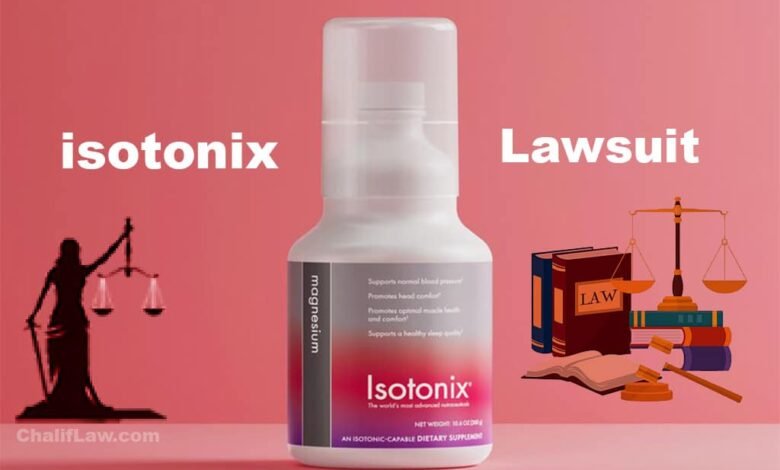
The Isotonix lawsuit is connected to a popular nutritional supplement brand known as Isotonix, owned by Market America. The company sells powdered vitamins that are mixed with water and promoted as being easier for the body to absorb compared to traditional pills. These supplements are sold through a multi-level marketing system, meaning independent distributors promote and sell the products directly to consumers.
The Isotonix lawsuit did not begin because of one single complaint. Instead, it developed over time as concerns grew around marketing practices, health-related claims, and business opportunity promises. Some customers and former distributors felt that the benefits of the products were overstated, while others believed the income potential was not as realistic as advertised. It is important to understand that lawsuits like this often focus on how something is marketed, not whether the product exists or is legal to sell. Supplements are allowed, but the way they are promoted must follow strict rules. When companies cross the line between wellness support and medical claims, legal issues can arise.
A simple way to understand the situation is shown below:
| Aspect | Explanation |
|---|---|
| Products | Powdered nutritional supplements |
| Company | Market America |
| Sales Method | MLM distribution |
| Legal Concern | Advertising and claim accuracy |
The Isotonix lawsuit exists mainly to question whether consumers were given clear, honest, and supported information.
Main Allegations in the Isotonix Lawsuit
At the center of the Isotonix lawsuit are allegations related to misleading claims. Some consumers believe that certain marketing statements suggested the products could help with serious health conditions. Dietary supplements are not allowed to claim they can cure, treat, or prevent diseases unless approved by regulators. The most common allegations include claims about superior absorption, faster results, and health improvements that may not have been backed by strong scientific evidence. While many supplements can support general wellness, problems arise when marketing makes the benefits sound guaranteed.
Key allegations often mentioned include:
- Claims suggesting medical-level benefits
- Overstated absorption effectiveness
- Marketing language that could confuse consumers
To put it simply, the lawsuit questions whether the average buyer could clearly understand the difference between supporting health and treating illness. A former distributor reportedly stated:
“I believed the product helped people, but the way it was promoted went too far.”
This reflects a common theme in the Isotonix lawsuit — confusion caused by strong marketing language.
Is the Isotonix Lawsuit Linked to MLM or Pyramid Scheme Claims?
Another important part of the Isotonix lawsuit involves its business model. Isotonix products are sold through an MLM system, where distributors earn money from personal sales and team commissions. While MLM businesses are legal, they must focus on product sales rather than recruitment. Some lawsuits claim that Market America emphasized recruitment more than actual product demand. Former distributors allege they were promised financial success that was difficult to achieve in reality.
To understand the difference clearly:
| MLM (Legal) | Pyramid Scheme (Illegal) |
|---|---|
| Product-based sales | Recruitment-based earnings |
| Retail customers | Limited real customers |
| Transparent earnings | Exaggerated income claims |
The Isotonix lawsuit raises questions about whether distributors were given realistic income expectations. This does not automatically mean the company is a pyramid scheme, but it explains why legal attention exists.
FDA and FTC Involvement in the Isotonix Lawsuit
Government agencies play a key role in the Isotonix lawsuit discussion. The FDA monitors product labeling and health claims, while the FTC focuses on advertising and business practices. Concerns were raised when marketing statements appeared to suggest disease treatment or prevention. Supplements must include disclaimers and avoid medical claims unless properly approved.
Regulatory involvement usually leads to:
- Requests to change labeling
- Removal of certain claims
- Stronger compliance policies
This does not mean products are banned or unsafe. It means the company must ensure its marketing follows the law.
Who Filed the Isotonix Lawsuit and Who Is Affected?
The Isotonix lawsuit involves multiple groups. These include customers who purchased products and distributors who joined the business opportunity.
People affected may include:
- Consumers who felt misled
- Former distributors who lost money
- Individuals seeking refunds or compensation
Some lawsuits are filed as class actions, meaning many people with similar experiences join one case. Others are individual claims depending on location and circumstances.
Current Status of the Isotonix Lawsuit
As of now, there is no single final verdict that defines the entire Isotonix lawsuit. Legal actions related to marketing practices and business structure have appeared over time rather than in one major case. This situation is common with large companies. Some cases may settle quietly, while others are dismissed or adjusted. The lack of a final judgment does not mean the concerns are fake, nor does it mean guilt is proven.
In many cases, companies respond by:
- Updating marketing language
- Improving training for distributors
- Strengthening compliance systems
Are Isotonix Products Safe to Use?
One of the most common questions people ask about the Isotonix lawsuit is whether the products are safe. Lawsuits about marketing do not automatically mean a product is unsafe. Safety and marketing are two different issues. Many supplements are legally sold and used by consumers daily. However, individuals should always:
- Read labels carefully
- Avoid believing extreme claims
- Speak with healthcare professionals
A helpful reminder is:
“Natural does not always mean risk-free.”
This advice applies to all supplements, not just Isotonix.
What the Isotonix Lawsuit Means for Consumers and Distributors
The biggest lesson from the Isotonix lawsuit is the importance of critical thinking. Consumers should research products, question strong promises, and understand what supplements can realistically do.
For distributors, the lawsuit highlights the need to:
- Understand income disclosures
- Avoid exaggerating product benefits
- Focus on ethical selling
For the supplement industry as a whole, cases like the Isotonix lawsuit push companies toward better transparency and clearer communication. In simple words, the lawsuit reminds everyone that honesty builds trust, and trust is more valuable than any marketing claim.
Conclusion
The Isotonix lawsuit is mainly about how products and business opportunities were promoted, not about proving that the supplements are illegal or harmful. Over time, questions were raised by consumers, former distributors, and regulators about whether some health and income claims went beyond what is legally allowed. These concerns led to legal actions and increased regulatory attention. What matters most for readers is understanding the difference between supporting general wellness and promising medical results. Supplements like Isotonix can play a role in a healthy lifestyle, but they are not a replacement for professional medical care. The lawsuit highlights why clear language, honest marketing, and realistic expectations are so important in the supplement industry.
For consumers, the key takeaway is to always research products, read labels carefully, and be cautious of strong or guaranteed claims. For distributors, the Isotonix lawsuit serves as a reminder to promote products responsibly and to fully understand the business model before investing time or money. In the end, the Isotonix lawsuit encourages greater transparency and awareness. When companies communicate clearly and consumers stay informed, trust grows—and that benefits everyone involved.
Read More: GoMyFinance.com Create Budget