
Vaping and Depression: What the Evidence Says and Why Context Matters
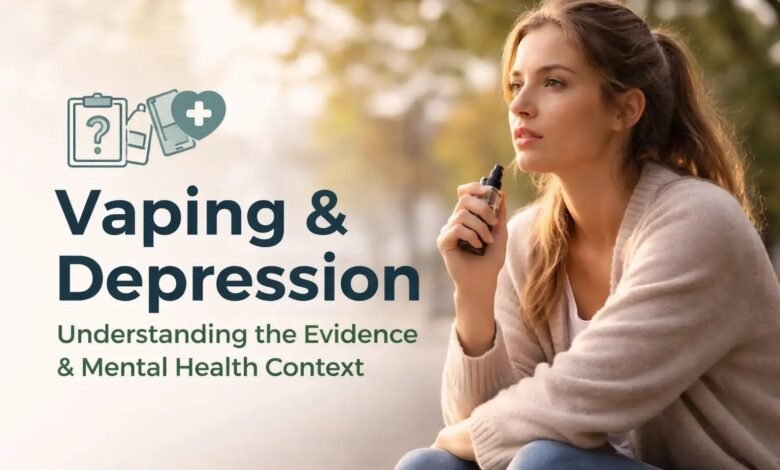
The link between vaping and depression is complex. This neutral guide explains what research can and cannot prove, why nicotine use may be associated with low mood, and when to seek support with trusted NHS resources.
Reviewed by vapesales
Important: This article is for general information and is not medical advice. If you’re struggling with low mood or depression, consider speaking with a healthcare professional. For urgent support in the UK, NHS guidance includes contacting Samaritans on 116 123 or calling 111 out of hours.
Quick Summary
- Research often shows an association between vaping and depressive symptoms, but that does not prove cause and effect.
- Some people use nicotine products to cope with stress or low mood, but nicotine is not a treatment for depression.
- If you smoke, UK guidance recognises vaping as a tool to help quit smoking, which is a different question from mental health outcomes.
Why This Topic Comes Up
Vaping is now widely discussed in public health and everyday life. As it has become more visible including through specialist retailers such as vapesales more people naturally ask how vaping might relate to wellbeing, including mental health.
Depression Is Not Caused by One Single Thing
Depression is a common mental health condition that can affect mood, energy, sleep, motivation, and enjoyment of daily life. It can range from mild to severe, and it can be influenced by many factors such as stress, life events, physical health, environment, and personal history. NHS information emphasises that depression is not a weakness, and support is available.
What Research Usually Shows (Association vs Causation)
Many studies describe a link between nicotine use and depressive symptoms, but it is important to separate association (two things occur together) from causation (one thing directly causes the other). For many people, it may be that low mood or stress increases the likelihood of nicotine use, rather than vaping “creating” depression.
Nicotine and Mood: Why Some People Report Short-Term Relief
Nicotine can affect brain reward pathways and may feel temporarily calming or focusing for some people. However, this does not mean nicotine improves mental health long-term. Dependence can develop, and nicotine-related withdrawal can feel like irritability, low mood, or restlessness, which can complicate how someone feels day to day.
Harm Reduction Context (Smoking vs Vaping)
It’s also important to separate the mental health conversation from the harm-reduction conversation. For adults who smoke, NHS guidance explains that e-cigarettes can be used to help stop smoking.
This includes many product types from refillable devices to disposable vapes, which some adults may use as part of a transition away from smoking. (This is not a mental health treatment; it’s a smoking-cessation/harm-reduction context.)
When to Seek Support
If low mood lasts more than a couple of weeks, affects work/relationships, or feels overwhelming, it’s worth seeking support. NHS guidance includes practical steps and options for help with low mood or depression, including talking therapies and support routes.
Vaping and Depression – FAQs
Does vaping cause depression?
Not proven. Research often shows a relationship between vaping/nicotine use and depressive symptoms, but that does not confirm that vaping directly causes depression. Many other factors can be involved.
Can nicotine help depression?
Nicotine may feel like short-term relief for some people, but it is not a treatment for depression. If you feel persistently low, professional support is more reliable and evidence-based.
If I smoke and feel low, is switching to vaping still useful?
If you smoke, NHS guidance recognises e-cigarettes as one option to help you quit smoking, which can benefit your physical health. Mental health is more individual, so it’s sensible to focus on support for mood alongside any smoking-cessation plan.
Where can I get help for low mood or depression in the UK?
NHS resources outline support options and steps you can take. If you need urgent emotional support, NHS guidance includes Samaritans on 116 123 and calling 111 out of hours.
Final Thoughts
The relationship between vaping and depression is complex and personal. The most useful approach is to avoid blame or stigma, focus on context, and prioritise support if low mood persists. If you smoke, switching to vaping may be part of a harm-reduction route — but mental wellbeing deserves its own supportive, evidence-based plan.