
What Are Ombudsmänner? A Complete Guide to Their Role, Importance, and History
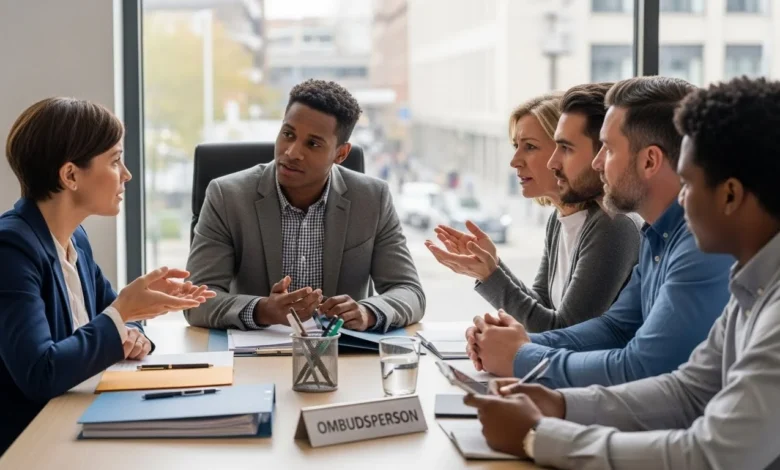
The term Ombudsmänner refers to a group of individuals who serve as representatives for the people, especially when it comes to investigating complaints and disputes between the public and organizations, authorities, or companies. It’s the plural form of “Ombudsmann,” a Swedish word that means a person who is responsible for mediating between the people and public bodies, ensuring fairness and justice.
An Ombudsmann plays a very crucial role, particularly in countries that emphasize transparency and accountability in government or corporate sectors. Essentially, ombudsmen ensure that people’s concerns are addressed in an unbiased and effective manner. They act as a bridge between citizens and institutions, making sure that complaints about services, actions, or decisions are fairly examined. In simple terms, an Ombudsmann is someone you can turn to if you’re not getting the fairness or service you deserve from an organization. They are not lawyers, but they help ensure your concerns are handled properly by those in power.
The Origins & History of Ombudsmänner
The concept of an Ombudsmann traces its roots back to Sweden in the early 19th century. The Swedish Parliament established the office of the Ombudsman in 1809 to act as a guardian of citizens’ rights against potential abuses by public officials. The idea quickly spread across Europe and the world, becoming a global model for fair governance.
Etymology & Linguistic Roots
The word Ombudsman itself comes from the Old Norse word ombud, meaning “representative” or “agent,” and mann, meaning “man.” This reflects the original purpose of the office — a person who represents the interests of the people in front of authorities. Over time, the role evolved to encompass various forms of dispute resolution. While the Swedish model served as the starting point, many countries have tailored the Ombudsman concept to fit their own legal and administrative needs. In some places, such as in the United Kingdom, the role exists primarily as an intermediary between citizens and governmental agencies, while in others, such as New Zealand, the Ombudsman might focus on ensuring ethical behavior within government institutions.
Global Spread
After its success in Sweden, the Ombudsmann concept began spreading across the world. Countries like Finland, New Zealand, and Canada introduced their own versions. Today, most countries have some form of Ombudsman, though their roles may vary greatly depending on the region and its legal framework. The success of Ombudsmänner around the world has led to their incorporation in various organizations, including universities, corporations, and international bodies, with each one focusing on resolving disputes and complaints within their respective domains.
What Do Ombudsmänner Actually Do?
Ombudsmänner serve as impartial, neutral parties who investigate complaints, mediate disputes, and ensure that justice is served in a way that is fair to all parties involved. Their job can vary widely depending on where they work, but at the core of the role is the responsibility to serve the public, protect individuals’ rights, and ensure that organizations are held accountable for their actions.
Core Responsibilities of Ombudsmänner
Ombudsmänner are often tasked with investigating grievances related to public or private organizations. Whether it’s a government department, healthcare system, or a private company, ombudsmen examine complaints, gather evidence, and assess whether the issue has been handled properly. One of their primary functions is to recommend actions to remedy the situation. This could involve suggesting changes to processes, calling for refunds or compensation for those affected, or simply ensuring that complaints are investigated in a way that respects the complainant’s rights. Importantly, ombudsmen are not judges; they do not have the authority to impose legal consequences. However, they do hold significant power in recommending action or intervention. Their role helps maintain a balance of power, especially when the ordinary individual may be powerless against larger institutions.
Key Characteristics of Ombudsmänner
- Neutrality: Ombudsmänner must maintain impartiality at all times. They should not favor one side over the other but should be dedicated to achieving a fair resolution.
- Confidentiality: The work of an Ombudsman often involves sensitive issues. To protect individuals and organizations, the Ombudsman is required to keep all complaints confidential unless disclosure is necessary for the resolution of the case.
- Accessibility: Ombudsmänner are often accessible to the general public. This accessibility makes them a vital resource for those who may not have the means or knowledge to pursue formal legal channels.
Their role also involves recommending systemic changes. If an Ombudsman identifies a recurring issue within an institution, they may suggest reforms to prevent future complaints. This is a proactive part of the role that can lead to real improvements in organizations and governmental systems.
Types of Ombudsmänner & Where They Work
Ombudsmänner can be found in a wide range of sectors, from public government roles to private organizations. Understanding the different types of Ombudsmänner and where they work is essential in knowing how they can help you.
Government & Public Sector Ombudsmänner
In the public sector, ombudsmen generally oversee complaints related to government policies, decisions, and actions. These Ombudsmänner are usually appointed by the government or legislature and act as watchdogs, ensuring that citizens’ complaints regarding public authorities are properly addressed. For instance, in countries like Sweden, the Parliamentary Ombudsman is an independent officer who examines the actions of government agencies to ensure that citizens’ rights are respected. They investigate cases of maladministration, which could include issues such as unlawful decisions, delays, or the failure to follow due process.
Organizational & Corporate Ombudsmänner
Ombudsmänner can also be found within corporations and institutions, where they handle complaints from employees or customers. Their role in these settings is to maintain fairness, resolve internal conflicts, and ensure that organizational policies do not violate employees’ or customers’ rights. Many large corporations, educational institutions, and even non-profit organizations have their own Ombudsmänner. Their work involves addressing workplace grievances such as discrimination, unfair treatment, or even concerns about the company’s practices.
Sector-Specific Ombudsmänner
Some ombudsmen specialize in particular fields. For example, healthcare ombudsmen deal with issues related to patient care and hospital management. Their role includes investigating patient complaints about medical malpractice, negligence, or unsatisfactory service. In other sectors, such as long-term care or elder care, ombudsmen advocate for elderly residents and ensure they receive proper care. They work closely with both the institutions providing care and the families of residents to ensure fairness and transparency.
Ombudsmänner in Practice — How They Help People
The everyday work of an ombudsman can have a major impact on individuals. From resolving complaints to recommending significant policy changes, ombudsmänner provide invaluable support to individuals who might otherwise be unable to challenge powerful institutions.
Case Study: Resolving Workplace Disputes
Let’s consider an example where a company employee feels unfairly treated by management. Perhaps there has been an instance of discrimination or an unjust termination. The employee might approach the company’s Ombudsman, who would then investigate the situation. The Ombudsman would interview both parties, gather evidence, and recommend actions — such as a formal apology, reinstatement, or compensation for the affected employee. This example demonstrates how Ombudsmänner are able to mediate disputes without the need for lengthy and expensive legal proceedings.
Benefits of Using an Ombudsman
There are many benefits to working with an Ombudsman:
- Faster Resolution: Ombudsmänner can often resolve disputes more quickly than traditional legal avenues. Their informal approach allows them to mediate without the burden of formal legal procedures.
- Fairness and Accountability: Ombudsmänner ensure that complaints are handled fairly. They also hold organizations accountable for their actions, preventing individuals from being ignored or mistreated.
- Access to Justice: Many people may not be able to afford a lawyer or may be intimidated by the formal justice system. Ombudsmänner offer a more accessible avenue for individuals to seek resolution.
How Ombudsmänner Operate Around the World
The concept of an Ombudsman has become globally recognized, but the way these figures operate varies from country to country. Each nation tailors the Ombudsman role to fit its specific needs, legal system, and culture.
Ombudsmänner in Europe
In Europe, Ombudsmänner are widely used in many countries, such as Sweden, Finland, and Germany. In these nations, they often act as a check on government power, ensuring that public authorities do not violate the rights of their citizens. For example, the Swedish Parliamentary Ombudsman can investigate complaints about government agencies, public institutions, and even individual civil servants. This kind of power makes Ombudsmänner an essential part of the democratic process, ensuring transparency in the operations of government.
Ombudsmänner in Other Countries
The role of Ombudsmänner is not just limited to Europe. In countries like New Zealand and Canada, Ombudsmänner also perform vital roles in ensuring that public bodies adhere to fair practices. In New Zealand, the Ombudsman investigates complaints against government agencies and works to improve public sector services. Meanwhile, in the United States, some states have their own Ombuds programs that serve the public, particularly in areas like healthcare and consumer rights.
How to Become an Ombudsmann or Work with One
Skills & Qualifications Needed
Becoming an Ombudsman requires a combination of specific skills, such as excellent communication, conflict resolution, and critical thinking. Many Ombudsmänner have backgrounds in law, public administration, or human rights, but specific qualifications can vary depending on the role.
How to Engage an Ombudsman
If you find yourself in a situation where you need to contact an Ombudsman, the process is usually straightforward. Most Ombudsmänner operate independently and have a clear process for lodging complaints. This process can involve filling out forms, attending hearings, or submitting evidence related to the complaint.
Conclusion — Why Ombudsmänner Matter Today
Ombudsmänner play a vital role in protecting individuals’ rights and maintaining fairness within society. Whether acting in government, corporations, or specialized sectors like healthcare, they offer a unique and accessible avenue for people to have their concerns heard. In today’s world, where many systems and organizations can be difficult to navigate, the work of Ombudsmänner ensures that fairness, transparency, and justice remain central to public and private life.
Their importance cannot be overstated, as they contribute significantly to a society that values accountability and the fair treatment of individuals. So, next time you feel like your rights are being ignored, remember that an Ombudsman might be the answer.
Read More: Meaimee 3