Everything You Need to Know About Pappedeckel: The Paper Lid Revolution
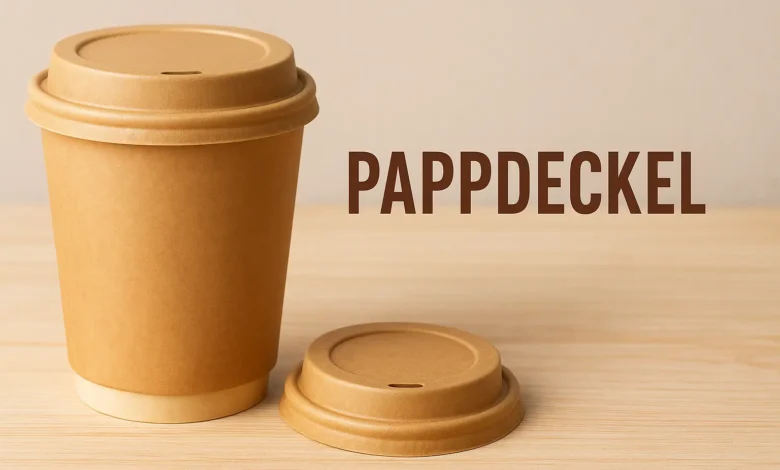
Pappedeckel is a German word that translates to “paper lid” in English. It’s a type of lid made primarily from paper or other biodegradable materials, often used in place of traditional plastic lids. These paper lids are gaining popularity, especially in the packaging and food industries, as part of a larger movement toward sustainability and eco-friendly practices.
While “Pappedeckel” may sound unfamiliar, it’s simply a new term for something that’s becoming increasingly common in our daily lives—especially in places like coffee shops or takeaway restaurants. You’ve likely seen these paper lids on coffee cups, takeaway containers, or even in cosmetic packaging. They serve the same purpose as plastic lids but are far more environmentally friendly.
History and Origin of Pappedeckel
The term Pappedeckel, as we know it today, has its roots in the German language, but the concept of paper lids has been around for much longer. Historically, paper was used for packaging materials long before the widespread adoption of plastics. The transition from paper to plastic in the mid-20th century was driven by the rise of mass production, convenience, and the durability of plastic. However, the environmental consequences of excessive plastic use became evident over the last few decades. Concerns about pollution, especially in oceans and landfills, led to a resurgence of interest in more sustainable materials. As a result, the packaging industry began to innovate, seeking alternatives to plastic that could provide the same level of protection and functionality while being environmentally friendly.
Pappedeckel, or paper lids, were part of this movement. They are primarily made from paperboard or other biodegradable materials, sometimes with a coating to make them water-resistant. Unlike their plastic counterparts, these paper lids are designed to be fully recyclable or compostable, providing an eco-friendly option for businesses and consumers alike. This shift back to paper has been greatly influenced by both government regulations and consumer demand for more sustainable products. In recent years, brands across various industries have adopted Pappedeckel lids as part of their green initiatives. These lids, although a throwback to an earlier era, are now seen as the future of sustainable packaging.
How is Pappedeckel Used in Modern Applications?
Today, Pappedeckel has a wide range of applications, particularly in industries where packaging plays a significant role in customer experience. The most common usage of paper lids is in the food and beverage sector, especially for products like coffee, smoothies, soups, and takeout containers. However, their use extends beyond just the food industry. Here’s a look at the most common applications of Pappedeckel today:
- Coffee Cups: One of the most noticeable uses of Pappedeckel is in the coffee shop industry. Paper lids are commonly used on hot drink cups, replacing plastic lids. These lids provide a more eco-friendly option while maintaining the same level of functionality, ensuring that the contents remain secure and the drink stays hot.
- Takeout Containers: Many restaurants and fast food chains are replacing plastic lids on their takeaway containers with Pappedeckel lids. This not only helps reduce plastic waste but also enhances the brand’s image as an environmentally conscious company.
- Smoothie and Juice Cups: Similar to coffee, smoothies and juices are often served in cups with paper lids. The lids are designed to be leak-resistant, ensuring that liquids stay contained during transportation.
- Cosmetic Packaging: Pappedeckel is also used in the cosmetic industry for packaging products like lotions, creams, and other small containers. Paper lids help create a more natural, organic look for brands that focus on eco-friendly packaging solutions.
Despite its versatility, Pappedeckel is not just limited to food and cosmetics. It is increasingly used in industries like pharmaceuticals and even pet care, where sustainable packaging is gaining traction. The innovation behind Pappedeckel lies in its ability to mimic the functions of plastic while offering a much more sustainable solution. In the past, many paper lids were less durable and prone to breaking. However, advancements in paperboard technology have made it possible to create paper lids that are just as durable, if not more so, than their plastic counterparts.
The Role of Pappedeckel in Sustainability
The increasing use of Pappedeckel is a testament to the growing global concern for sustainability. The environmental impact of plastic has become impossible to ignore, with plastic waste polluting landfills, oceans, and wildlife habitats. As consumers become more aware of the need for sustainability, they’re pushing for brands to make eco-friendly choices. One of the key reasons why Pappedeckel is seen as a solution to the plastic problem is its biodegradability. Unlike plastic, which can take hundreds of years to decompose, paper lids can break down naturally without harming the environment. This makes Pappedeckel an ideal alternative for businesses looking to reduce their carbon footprint. In addition to being biodegradable, many Pappedeckel lids are also recyclable. This makes them part of a circular economy, where materials are reused instead of disposed of in landfills. The widespread adoption of these lids is a significant step towards reducing the environmental burden of single-use plastics.
Another important aspect of Pappedeckel’s role in sustainability is its contribution to reducing the consumption of fossil fuels. Plastic production requires petroleum, a non-renewable resource, whereas paper can be made from sustainably managed forests or recycled paper. This reduces the reliance on fossil fuels and supports the use of renewable resources. Brands that make the switch to Pappedeckel not only help reduce plastic waste but also align with consumer preferences for sustainable products. For example, some coffee chains have adopted Pappedeckel lids as part of their broader sustainability strategies, helping them build a more eco-conscious brand image.
Common Industries That Use Pappedeckel
While Pappedeckel is primarily associated with food and beverage packaging, its use is expanding into several other industries. Here’s a breakdown of some of the most common industries where Pappedeckel is making a difference:
- Food and Beverage: The food and beverage industry is the largest user of Pappedeckel lids. Coffee shops, fast food chains, and restaurants use paper lids for their drinks and takeaway containers. This shift is driven by consumer demand for sustainable packaging.
- Cosmetics: Many cosmetic brands are opting for Pappedeckel lids for packaging creams, lotions, and other products. The shift towards eco-friendly packaging is particularly evident in the beauty industry, where many consumers are willing to pay more for products with sustainable packaging.
- Pharmaceuticals: As the demand for environmentally responsible packaging grows, the pharmaceutical industry is also exploring paper-based alternatives. Pappedeckel is being used in packaging for smaller, non-liquid pharmaceutical products.
- Pet Care: The pet care industry is adopting Pappedeckel lids for packaging pet food, supplements, and other products. The eco-conscious pet owner demographic is driving this trend.
These industries are just the tip of the iceberg. As sustainability becomes more important across various sectors, Pappedeckel is poised to become a standard for packaging across the globe.
Benefits of Using Pappedeckel in Packaging
There are numerous benefits to using Pappedeckel as an alternative to plastic packaging. Here are some of the most important advantages:
- Eco-Friendly: Pappedeckel lids are biodegradable and recyclable, making them a much more sustainable option than plastic.
- Cost-Effective: While paper lids can be more expensive than plastic, the growing demand for eco-friendly options has led to increased production and lower costs.
- Consumer Appeal: With more consumers demanding sustainable packaging, adopting Pappedeckel can help brands attract environmentally-conscious customers.
- Durability: Modern advancements in paper technology have made Pappedeckel lids just as durable as plastic, ensuring they provide the same level of protection for products.
In the long term, the environmental and economic benefits of using Pappedeckel will only continue to grow as more industries adopt sustainable packaging solutions.
Future of Pappedeckel in Packaging
The future of Pappedeckel looks promising, especially as more industries and consumers embrace sustainable alternatives to plastic. As technology advances, we can expect to see even more innovative uses for Pappedeckel, from improved designs to new materials that enhance functionality.
With the rise of circular economies, where products and materials are recycled or reused, Pappedeckel will play a significant role in reducing waste and promoting environmental responsibility. Many experts predict that within the next decade, Pappedeckel could become the go-to packaging solution for a wide range of products, from food to cosmetics to pharmaceuticals. The growing demand for eco-friendly packaging solutions, combined with advances in paper production, will make Pappedeckel even more accessible and efficient. As consumer expectations continue to evolve, businesses will be under increasing pressure to adopt more sustainable packaging practices, and Pappedeckel will undoubtedly play a central role in that transition.
Conclusion
Pappedeckel is much more than just a paper lid—it’s a step towards a more sustainable and eco-friendly future. With its many benefits, including biodegradability, recyclability, and consumer appeal, Pappedeckel is poised to replace plastic in many industries. The shift to paper lids is a small but significant part of the global effort to reduce plastic waste, and as technology improves, it’s likely that Pappedeckel will become a standard for packaging across industries worldwide.
Read More: Alissa Ann Linnemann