Бишкоти ди Прато: The Ultimate Guide to Tuscany’s Classic Almond Biscuit
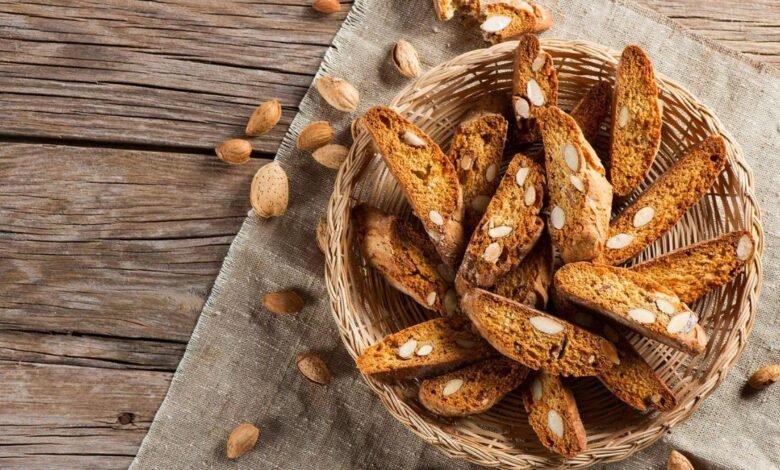
Бишкоти ди Прато, also known as Biscotti di Prato or Cantucci, is a traditional Italian biscuit that originates from the beautiful region of Tuscany, specifically from the town of Prato. These twice-baked, crunchy cookies are famous for their delicious almond flavor and hard texture. In fact, the word biscotti itself comes from the Italian term meaning “twice-baked,” which is exactly how they are made.
Unlike some of the softer cookies we may be used to, Biscotti di Prato are designed to be enjoyed with a drink, as their dry texture makes them perfect for dunking into coffee, tea, or even sweet dessert wines like Vin Santo. Their slightly sweet taste and the crunch of whole almonds make them a unique treat, often considered a symbol of Tuscan baking traditions.
But there’s more to these biscuits than just their taste. The cultural significance of Biscotti di Prato extends beyond being a snack; they’re a piece of history and heritage that connect us to centuries-old Italian baking traditions.
History of Biscotti di Prato
The history of Бишкоти ди Прато (or Biscotti di Prato) is as rich as their flavor. These biscuits have been baked for centuries, tracing their origins back to ancient times, long before they became a trademark of Tuscan cuisine.
Origins of Twice-Baked Biscuits
Twice-baked biscuits have roots that date all the way back to ancient Rome. The Romans were known for baking bread that would be cooked, sliced, and baked a second time. This method made the bread hard and dry, allowing it to last much longer. This early version of twice-baked goods was called biscoctus, which is where the modern word biscotti comes from. The practice of twice-baking evolved through the centuries and eventually found its way into the kitchens of Tuscany, where it was transformed into the beloved Biscotti di Prato.
Birth of Biscotti di Prato in Tuscany
It wasn’t until the Renaissance period that Biscotti di Prato truly took off. The cookie, as we know it today, became popular in the town of Prato in Tuscany, and it’s from here that the name Biscotti di Prato originates. The region’s natural resources, including almonds, played a huge role in the development of this iconic biscuit.
Antonio Mattei and the Classic Recipe
The widespread fame of Biscotti di Prato owes a lot to a man named Antonio Mattei. In the 19th century, Mattei opened a small bakery in Prato where he began to perfect the recipe for these crunchy cookies. His creation quickly gained popularity, and he became a household name in Italy. Mattei’s bakery still exists today, and his biscotti are still made according to his original recipe.
What Makes Biscotti di Prato Different?
Бишкоти ди Прато stand out from other types of biscotti or cookies in several key ways that make them special. It’s the combination of their texture, ingredients, and traditional preparation that really make them unique.
Traditional Ingredients
The base of Biscotti di Prato is simple, but the ingredients are carefully chosen. The dough is typically made from:
- Flour
- Eggs
- Sugar
- Whole almonds (sometimes pine nuts or hazelnuts)
These ingredients are combined into a dough that is firm but not too sticky. The almonds are the star of the show, providing a nutty, slightly sweet flavor that perfectly complements the dry, crunchy texture of the biscuit.
Twice-Baked Method
The distinctive feature of Biscotti di Prato is the twice-baked technique. First, the dough is shaped into long logs and baked until it’s golden. Afterward, the logs are removed from the oven, sliced into individual cookies, and returned to the oven to bake again. This second bake makes them hard and crisp, perfect for dipping into beverages.
Texture & Taste
The Biscotti di Prato have a wonderful balance of sweetness and a crunchy, almost crumbly texture. The almonds add a delightful bite, and because they are baked twice, they are dry and crisp, making them perfect for dipping into coffee, tea, or even dessert wine. Their simplicity and clean flavors are part of what makes them so irresistible.
How to Make Traditional Biscotti di Prato at Home
Making Бишкоти ди Прато at home is surprisingly easy and a rewarding experience. Here’s how you can recreate the iconic almond biscuits in your own kitchen.
Ingredients You’ll Need
- Flour – This forms the base of your dough.
- Eggs – Provides structure and richness.
- Sugar – A small amount for sweetness.
- Whole almonds – These provide the signature crunch.
- Baking powder – For slight leavening.
- Vanilla extract – For flavor.
Step-by-Step Baking Process
- Mix the Ingredients: Start by mixing flour, sugar, baking powder, and a pinch of salt in a large bowl. Beat eggs in a separate bowl, then combine with the dry ingredients and add vanilla extract.
- Add the Almonds: Once the dough forms, stir in the almonds. Be careful not to overwork the dough.
- Shape the Dough: Shape the dough into a long, even log, about 1 to 2 inches thick.
- First Bake: Place the log on a baking sheet and bake at 350°F (175°C) for about 25–30 minutes, or until it’s lightly golden.
- Slice & Second Bake: Remove the log from the oven, slice it into about 1-inch thick pieces, and place the pieces back on the baking sheet. Bake again for another 10–15 minutes, until golden and crisp.
- Cool & Enjoy: Let the biscotti cool completely before enjoying them with your favorite drink.
Expert Tips for Perfect Cantucci
- Don’t Overmix: Overmixing can lead to dense biscotti. Mix just until the dough comes together.
- Monitor the Second Bake: Keep an eye on the biscotti during the second bake to ensure they don’t over-brown.
Serving and Pairing Biscotti di Prato
Бишкоти ди Прато are more than just a treat—they’re meant to be savored, often with a drink. Here’s how you can pair them for the perfect experience.
Biscotti di Prato and Vin Santo
In Tuscany, Biscotti di Prato are traditionally paired with Vin Santo, a sweet Italian dessert wine. The wine’s sweetness complements the dry, crunchy texture of the biscotti, creating an unforgettable combination.
Other Pairing Ideas
If you don’t have Vin Santo on hand, don’t worry! Biscotti di Prato also pair beautifully with:
- Coffee – A classic pairing, especially if you enjoy the contrast between the bitter coffee and the sweet biscuit.
- Tea – A more delicate option, perfect for afternoon tea.
- Hot Chocolate – The sweetness of hot chocolate complements the biscotti’s crunchiness, making for a cozy treat.
Modern Variations of Biscotti di Prato
While the traditional version of Бишкоти ди Прато is beloved, there are several modern variations that put unique spins on this classic biscuit.
Flavor Twists
- Chocolate – Adding cocoa to the dough or dipping the cookies in chocolate gives them a rich, indulgent flavor.
- Pistachio – This variation uses pistachios instead of almonds for a slightly different taste and color.
- Citrus Zest – Adding a hint of orange or lemon zest adds a refreshing twist to the traditional biscotti.
Soft vs Traditional Crunchy Biscotti
Some modern bakers make Biscotti di Prato with a softer texture. These versions are less dry and more like a traditional cookie, catering to those who prefer less crunch.
Where to Try Authentic Biscotti di Prato
If you’re not in the mood to bake, you can try Бишкоти ди Прато at several places in Tuscany and beyond.
Best Places in Tuscany
- Antonio Mattei’s Bakery – Located in Prato, Antonio Mattei’s bakery still serves the original version of these cookies. It’s a must-visit for anyone wanting to taste authentic Biscotti di Prato.
- Prato’s Historic Cafes – Many cafes in Prato offer these cookies alongside coffee or dessert wine, providing a true Tuscan experience.
International Variants and Bakeries
Bakeries around the world have adopted this traditional Italian biscuit, and you can find Biscotti di Prato at many artisan bakeries in cities like New York, London, and Paris.
FAQs About Biscotti di Prato
- What does “бишкоти ди Праto” mean?
It means “twice-baked biscuits from Prato,” referring to the town in Tuscany where they originated. - Are biscotti di Prato gluten-free?
Traditional Biscotti di Prato are not gluten-free, but you can adapt the recipe by using gluten-free flour. - How long do they stay fresh?
When stored in an airtight container, Biscotti di Prato can stay fresh for several weeks. - Can you make them without almonds?
Yes! While almonds are traditional, you can use other nuts like hazelnuts or even add dried fruits for a different flavor. - What’s the best dipping drink?
Biscotti di Prato are most famously paired with Vin Santo, but they also go well with coffee, tea, and hot chocolate.
Conclusion: Why Biscotti di Prato Continues to Delight
Бишкоти ди Прато (Biscotti di Prato) are more than just cookies; they represent a rich tradition of Italian baking that continues to delight people around the world. Their unique combination of simplicity, crunch, and almond flavor has stood the test of time, making them a beloved treat in Tuscany and beyond. Whether enjoyed as a snack with coffee, dipped in wine, or baked at home, these biscuits are sure to bring a little taste of Tuscany into your life.
Read More: Susan Lucci Sarah Snook Broadway Photo